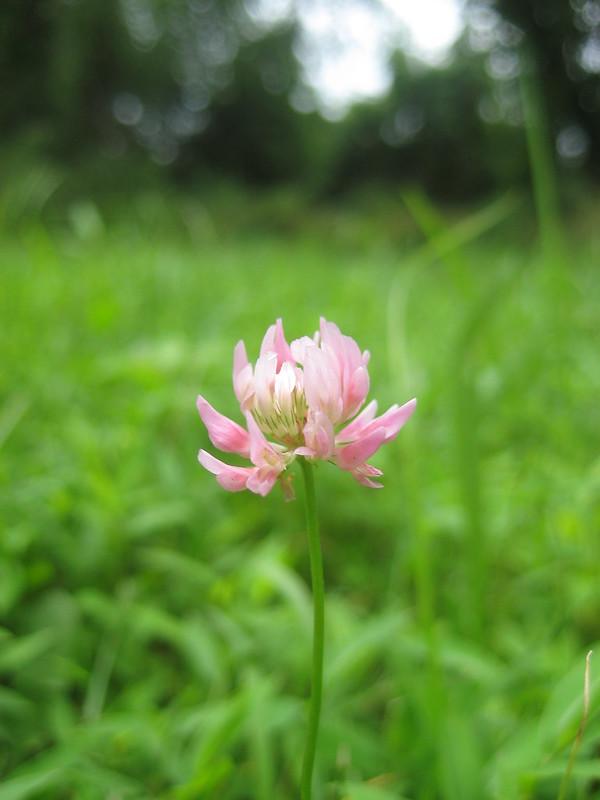
Yellow Blossom Sweet Clover
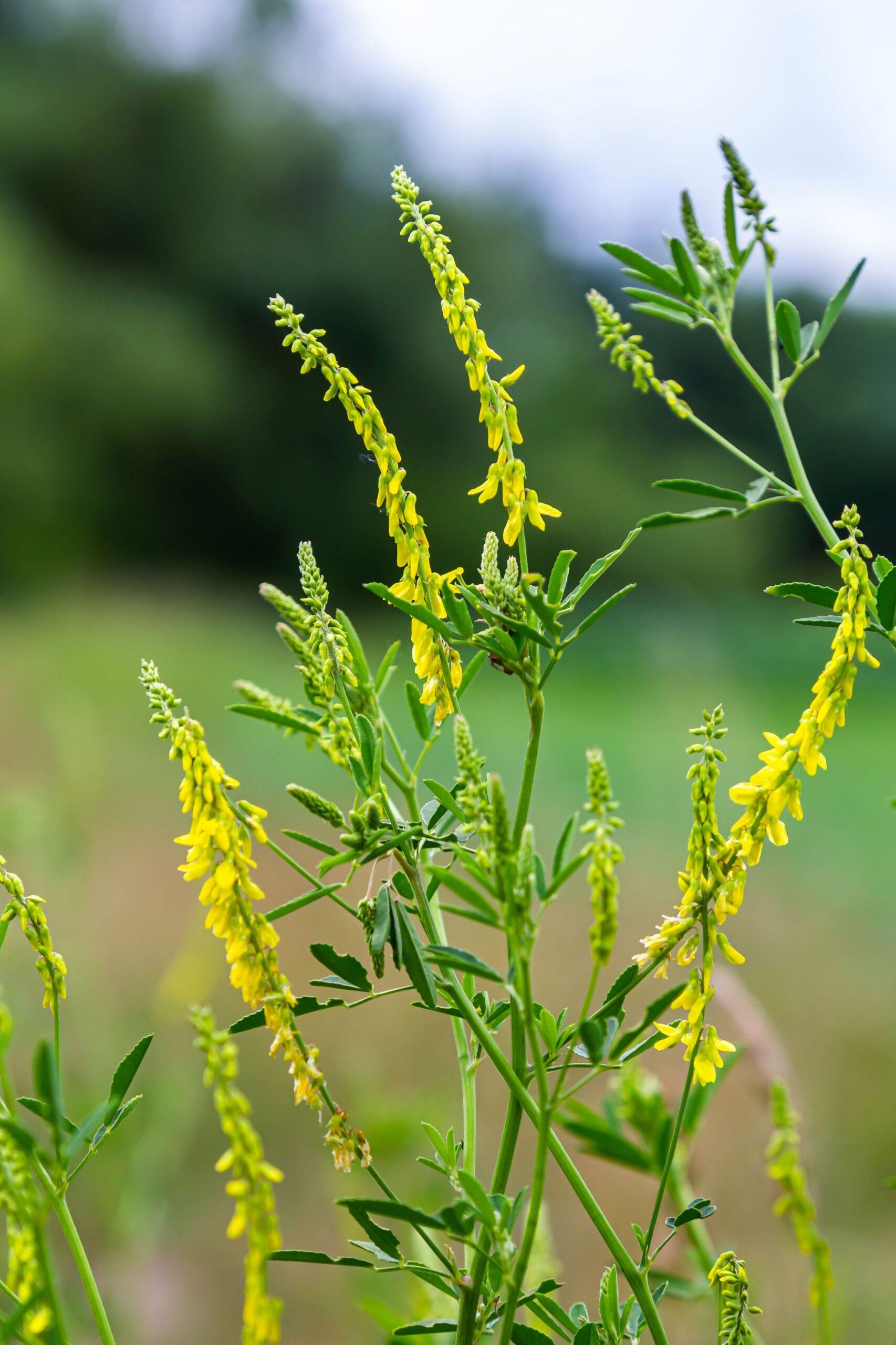
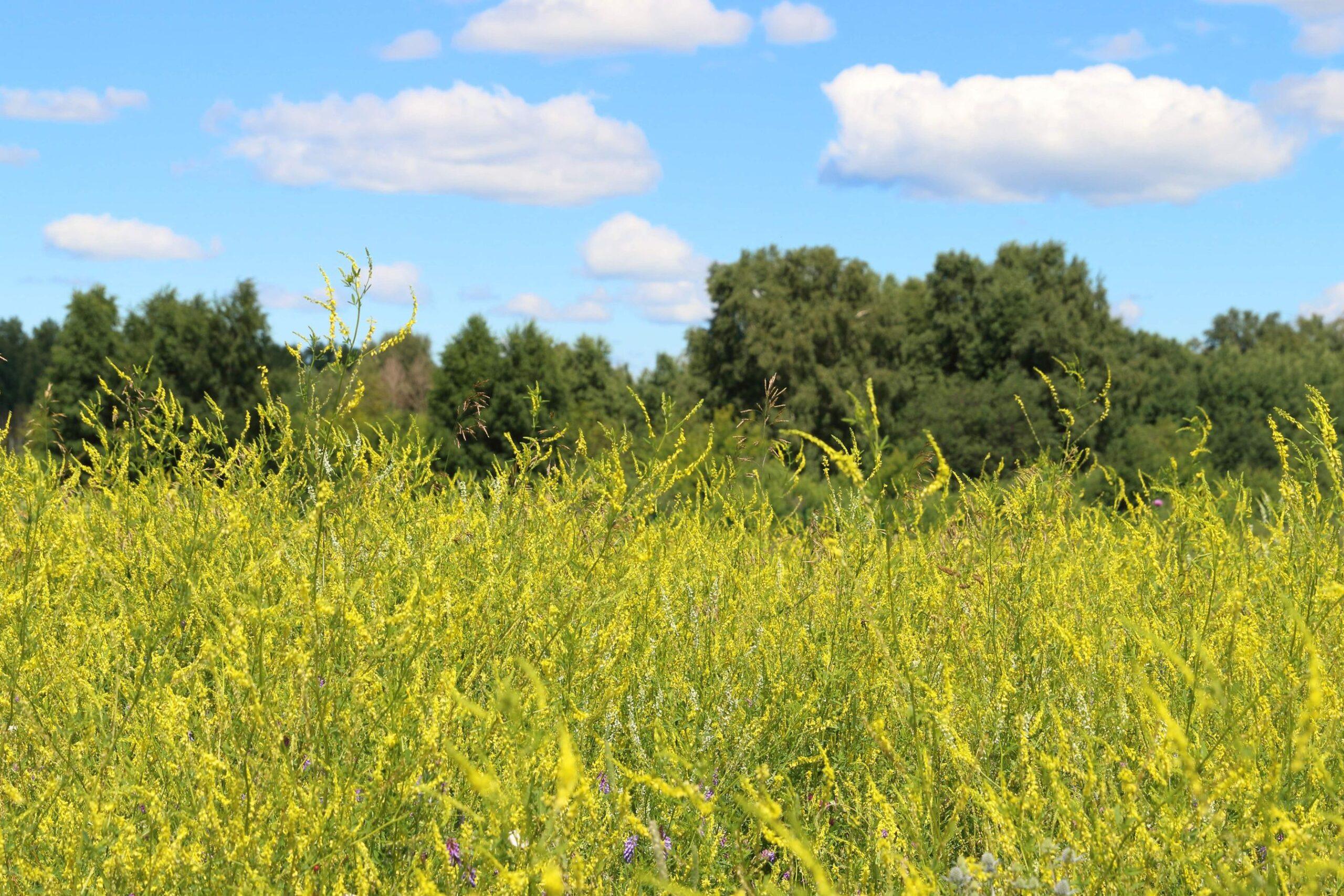
Yellow Blossom Sweet Clover is an introduced, biennial legume reaching up to 5 feet (1.5 m) in height. It is one of the few legumes that can thrive in poor and dry soils, and can be added to pasutre mixes to increase soil nitrogen and forage protein. While there is some potential of bloat with sweetclover, the risk is less than for other clovers and alfalfa. It is wide branching, fine stemmed, and is more drought tolerant han white sweetclover. It is not recomended for hay fields however, as improper curing can lead to toxic mold formation resulting in internal bleeding in livestock. Yellow Blossom Sweetclover can improve soil through nitrogen fixation, as well as the foramtion of deep tap roots that improve soil drainage and leave organic matter residues. It can tolerate a wide range of soil conditions and can often be found growing on roadsides where other plants cannot survive. Thus it can become weedy in the western states. The blossoms are an excellent source of food for honey bees and other pollinators. Seeds are small and similar in appearance to alfalfa seed, but require scarification before germination. Natural scarification occurs via freeze-thaw cycles, fire, or passage through an animals digestive track. Seed can remain viable for 40 or more years.