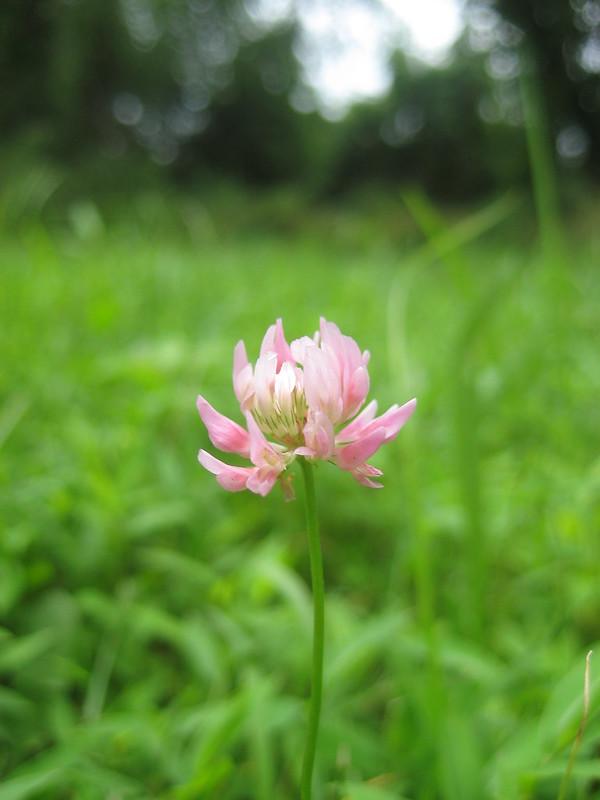
Cicer Milkvetch
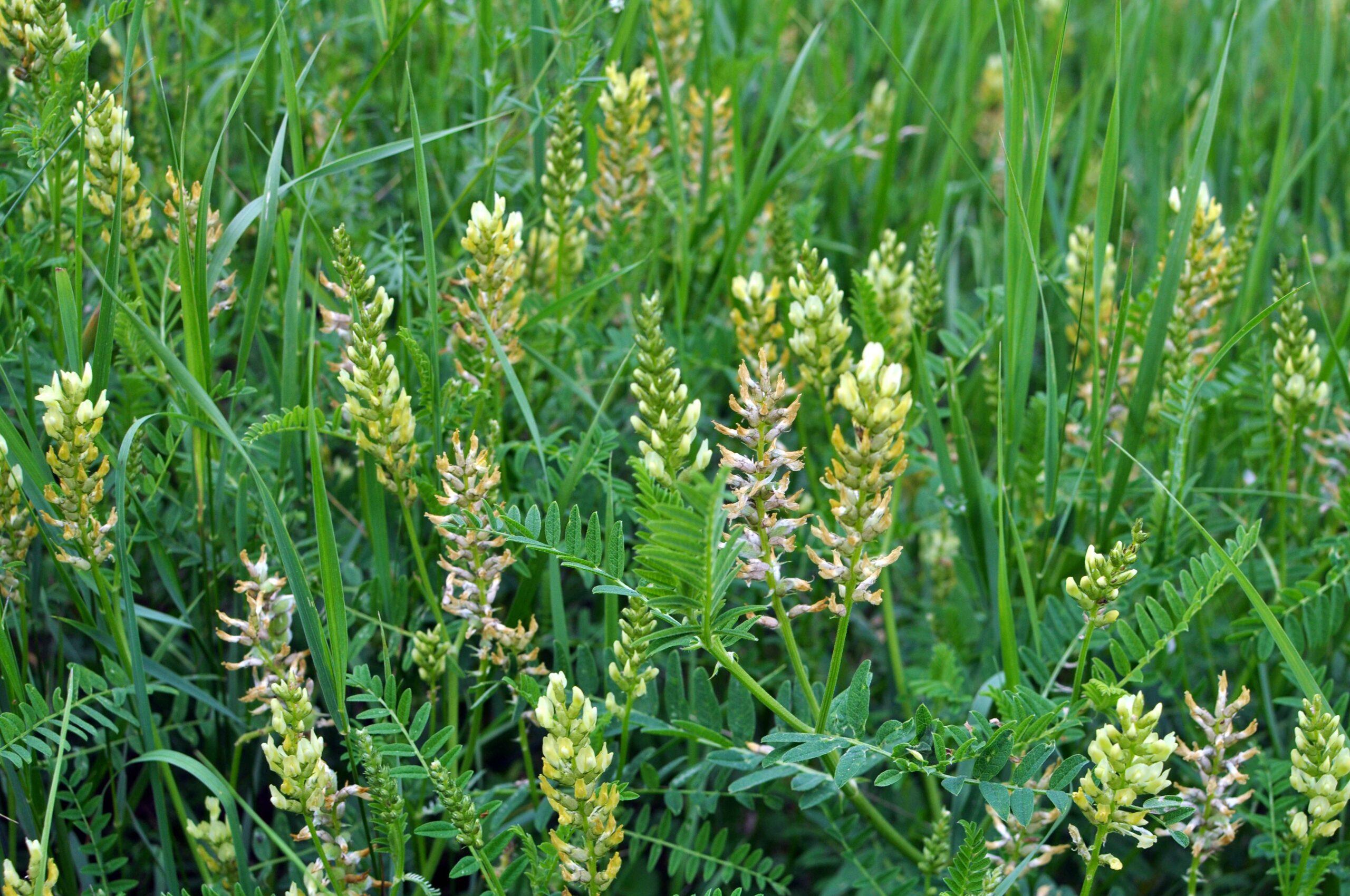
Cicer milkvetch is a high protein, long-lived, non-bloating legume native to Europe, but well adapted to forage production in the Rocky Mountain states. The vigorous sod forming rhizomes respond well to close grazing, with quick rebound and increased stand density over time. Rebound following cutting is slower, but hay quality remains high after baling. Yields tend to be comparable to alfalfa.
Cicer milkvetch can thrive on disturbed and poor soils, including those that are slightly alkaline and sodic. Cicer milkvetch can grow in both dry and wet soils, generally preferring between 18” and 36” of water annually to be maximally productive.
Due to a very hard seed coat, this seed requires chemical or mechanical scarification to germinate reliably in the first year. When planting Cicer milkvetch with grasses, seed the milkvetch into alternate rows to keep the grasses from outcompeting the milkvetch initially. Good companion grasses include Meadow brome, Orchardgrass and Creeping foxtail. Smooth brome and Reed canary grass tend to suppress Cicer milkvetch, which itself will suppress Russian wildrye, Pubescent wheatgrass and Western wheatgrass.