Growing strong since 1978

Forage Collards

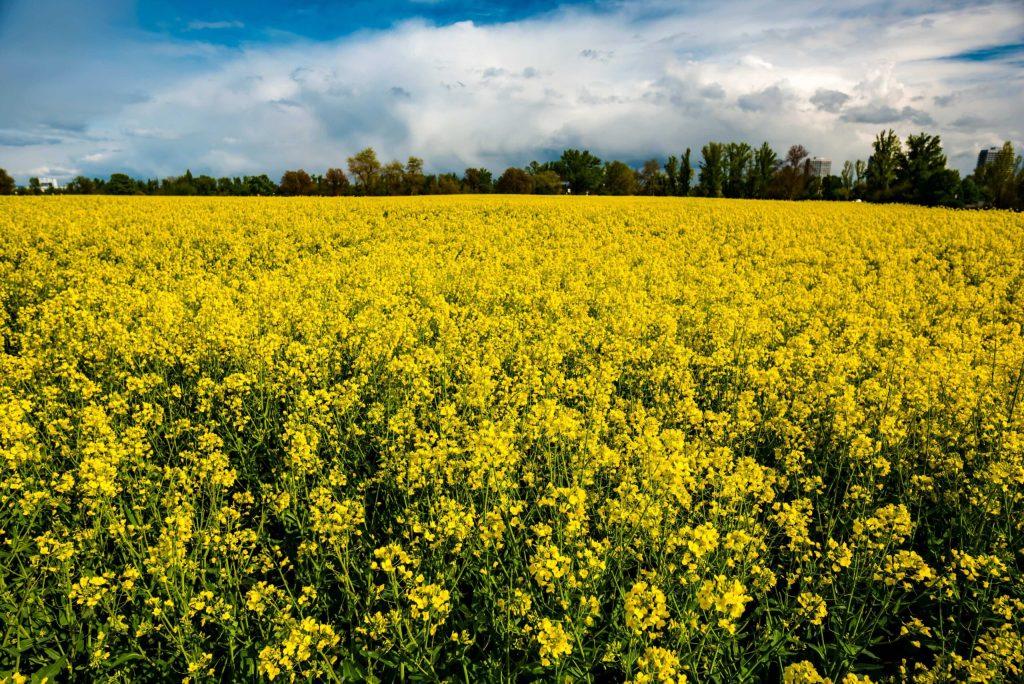
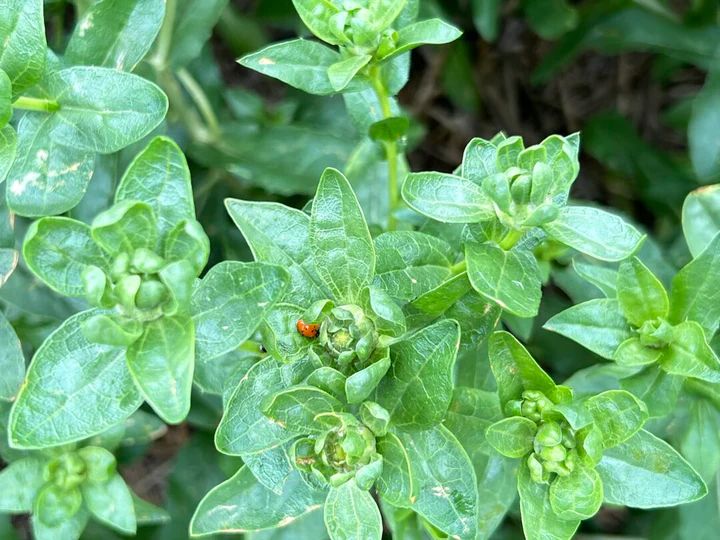
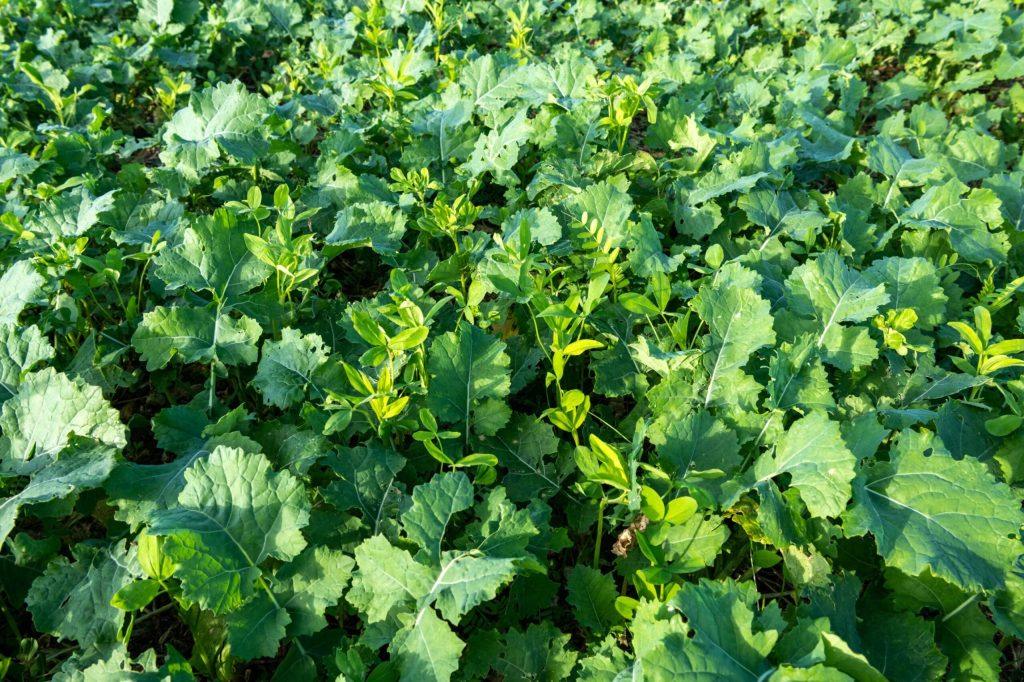
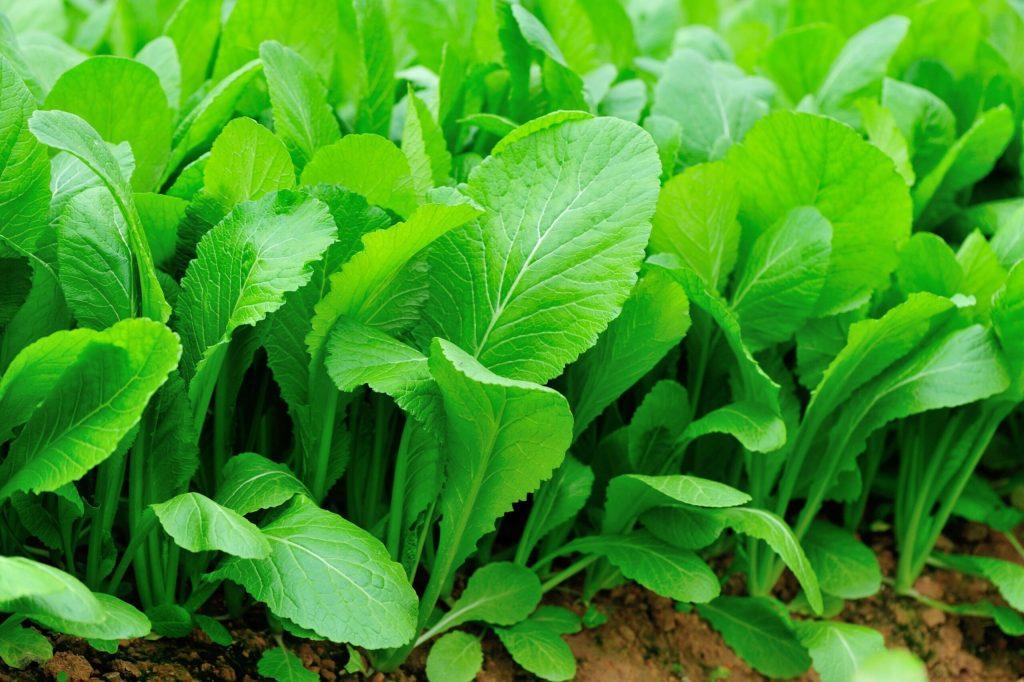
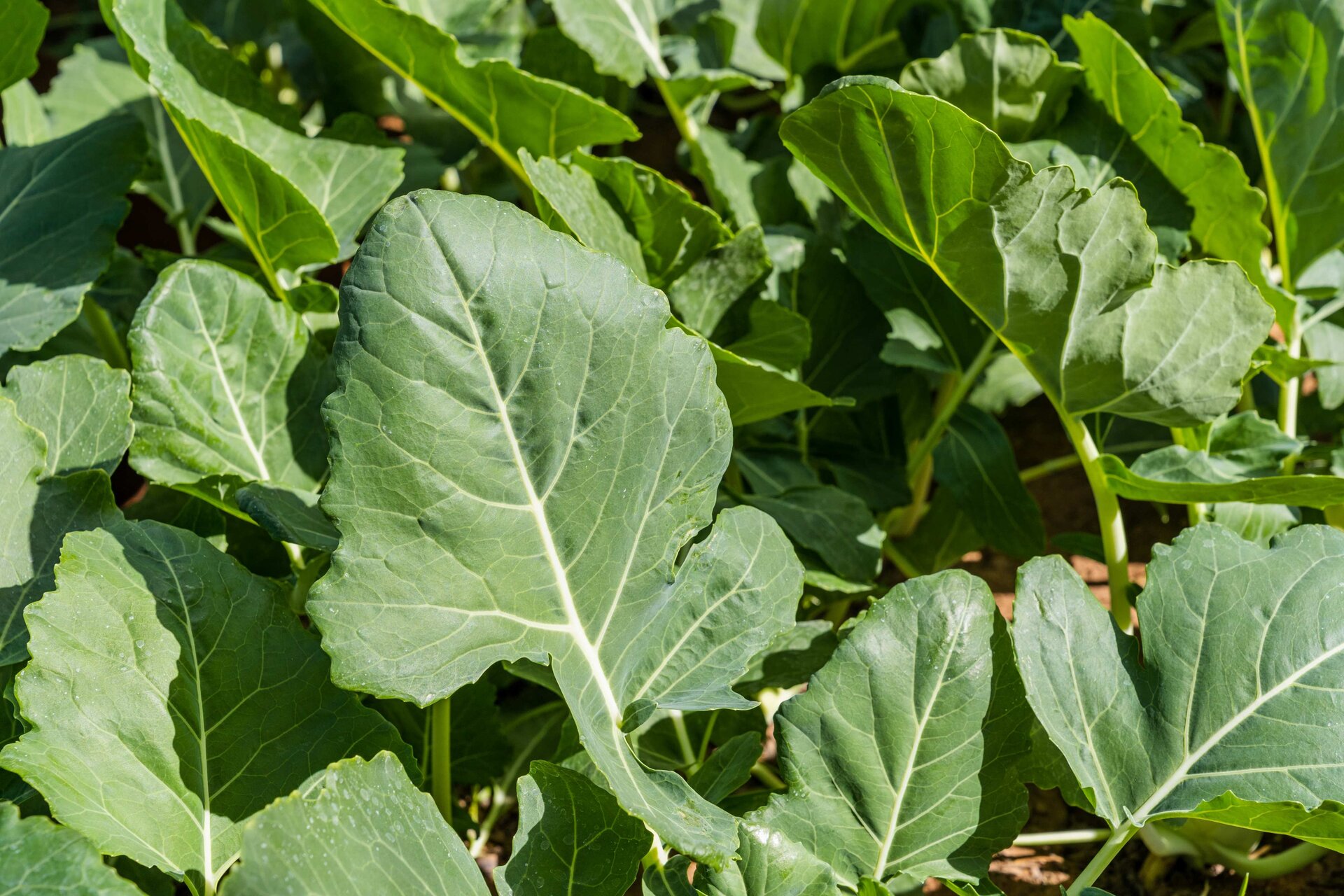
Forage Collards are a part of the Brassicas (think mustard and spicy plants like radishs) which means they have large leaves that spread out. Collards are highly nutritious and digestible for livestock and are slow to bolt and flower when spring planted, making them a good choice for late spring and early summer grazing. They have also exhibited excellent ability to regrow after grazing – even under drought conditions. Collards are relatively easy to get established during most of the growing season. One downside to Collards if using them for hay is that they do not dry down well so they are better grazed.

Forage Collards have a deep growing taproot and will not form a tuber or a bulb, but rather they put their growth and energy into producing very large and nutritious leaves. This is an important characteristic. When plants start developing their reproductive system (seeds, tubers etc.) they tend to slow their leaf production but Collards have a much longer vegetative (growing) period. If you plant collards in the fall and leave them overwinter they will move into the reproductive stage. Forage Collards have demonstrated the ability to stay green into December, even after temperatures had dropped below 0° F.

The deep taproot that Collards form tend to help drill into compacted soils, helping to breakup the hardpan. They are good nutrient scavengers utilizing excess nutrients left from other crops.

C:N Ratio 15-30:1

Details

Drought Tolerant: Somewhat
Life Cycle: Annual
Project Type: Grazing Forage, Wildlife Food Plot, Cover Crop
Product Type: Brassica
Season: Cool
Sun: Partial Sun, Full Sun
Latin Name: Brassica oleracea
Seed Per Pound: 175000
Height: Medium
Min Precip.: 18" - 24"
Zones: 5, 6, 7, 8
Planting Rate: 6-15 lbs/acre

Additional Information

Related Products