Kentucky Bluegrass – Forage type
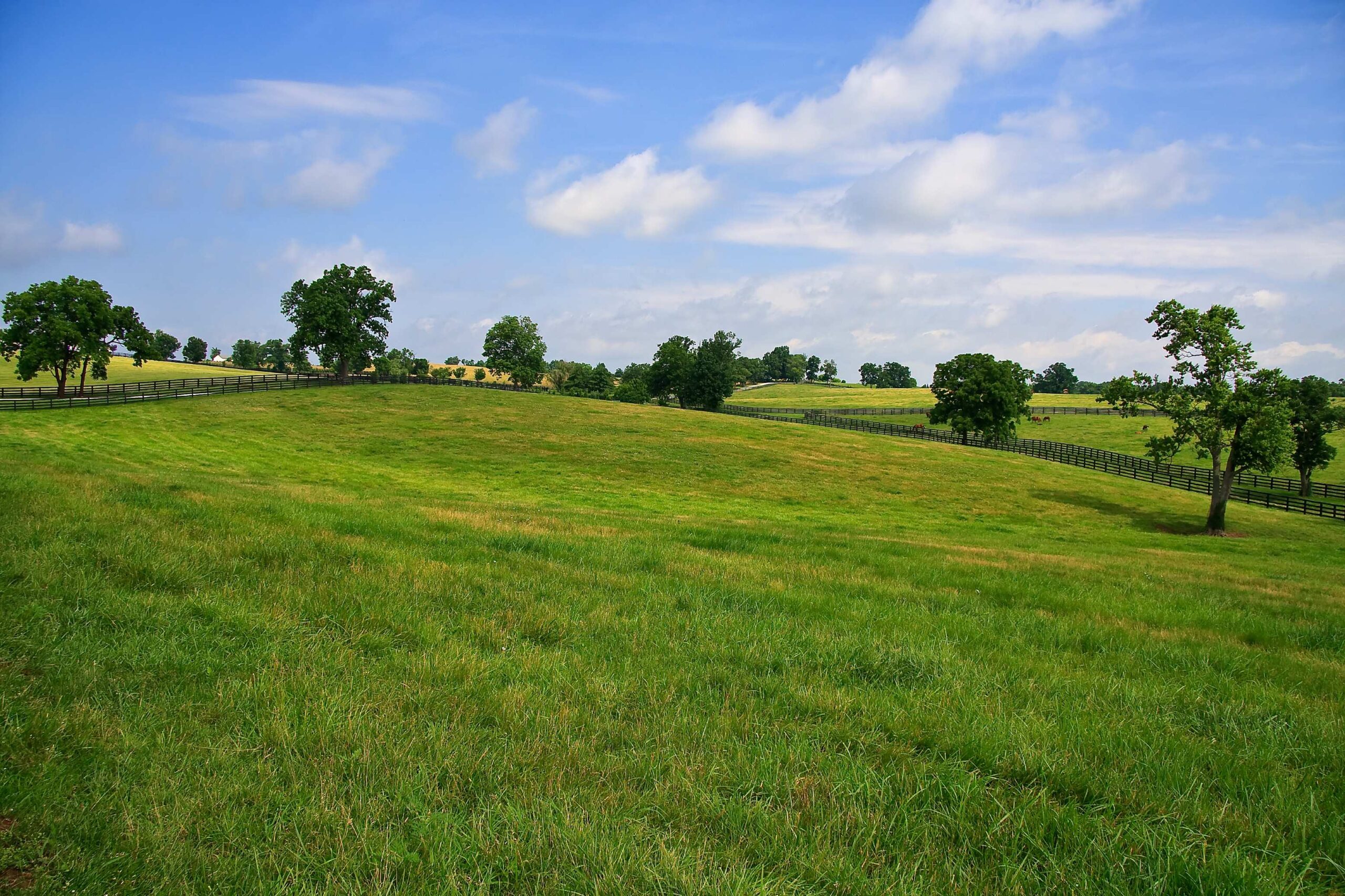
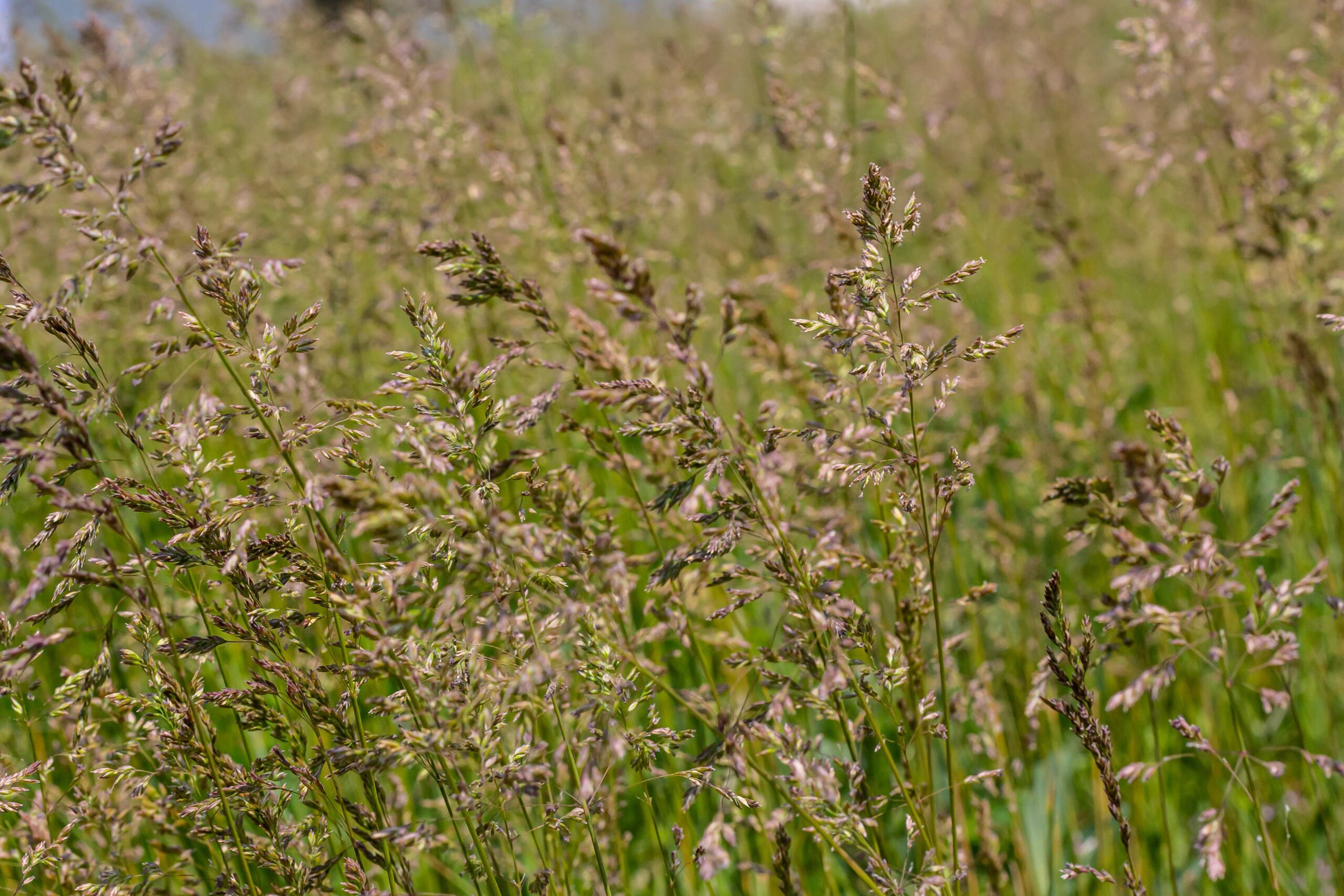
Kentucky Bluegrass is an introduced, dense sod-forming, perennial grass found throughout the United States. Many varieties are bred for turf applications, but Ginger is the most common type of forage Kentucky Bluegrass. Kentucky Bluegrass requires supplemental water or higher altitudes to survive in our arid Southwest. When established, its dense root system is an excellent erosion control mechanism. It is a highly palatable grass for livestock and wildlife. Kentucky Bluegrass can be used in pastures, as the understory for orchards, and on irrigated pond banks and other problem areas that need good soil stabilization. It is slow to germinate (approximately 28 days) so patience is the name of the game.
Varieties: Ginger
Details
Drought Tolerant: No
Life Cycle: Perennial
Growth Pattern: Sod
Native: Introduced
Project Type: Lawn, Grazing Forage, Hay Production, Erosion Control
Season: Cool
Sun: Full Sun, Partial Sun
Latin Name: Poa pratensis
Seed Per Pound: 2177000
Height: 18" - 24"
Min Precip.: 18" - 30"
Planting Rate: 10-15 lbs/acre