Growing strong since 1978

Reed Canarygrass

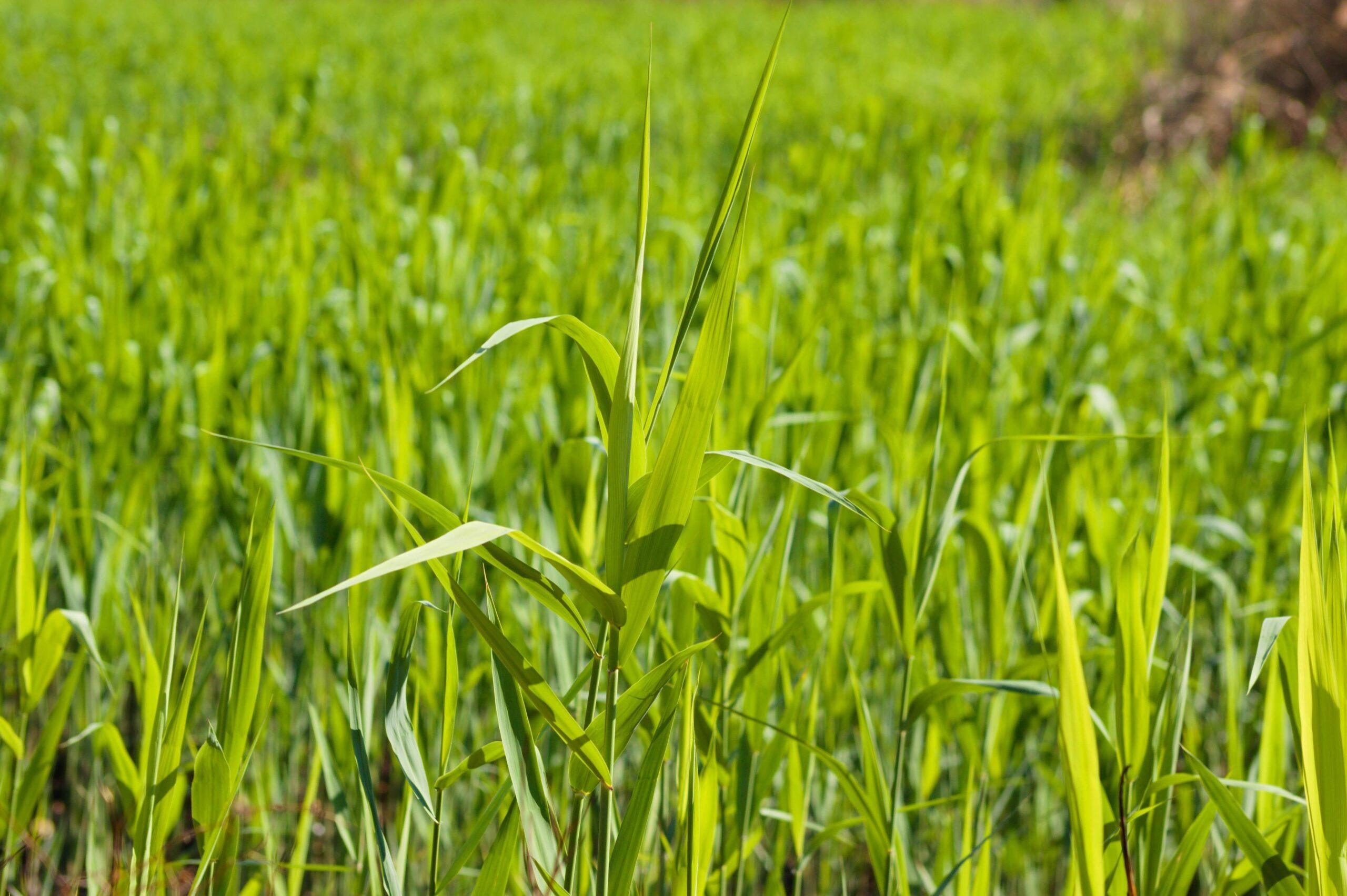
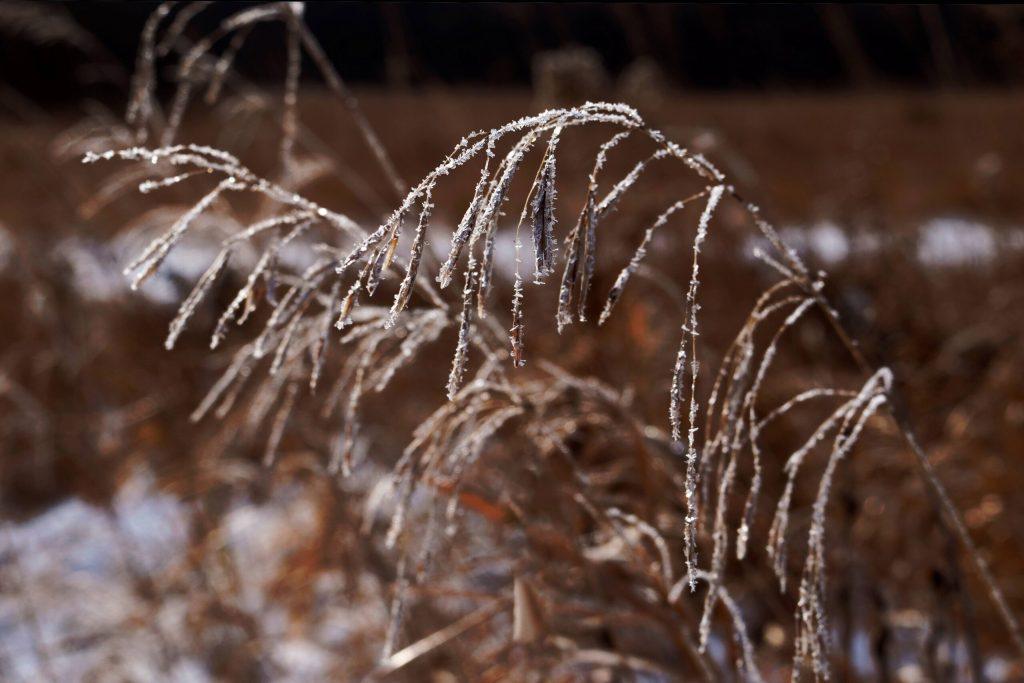
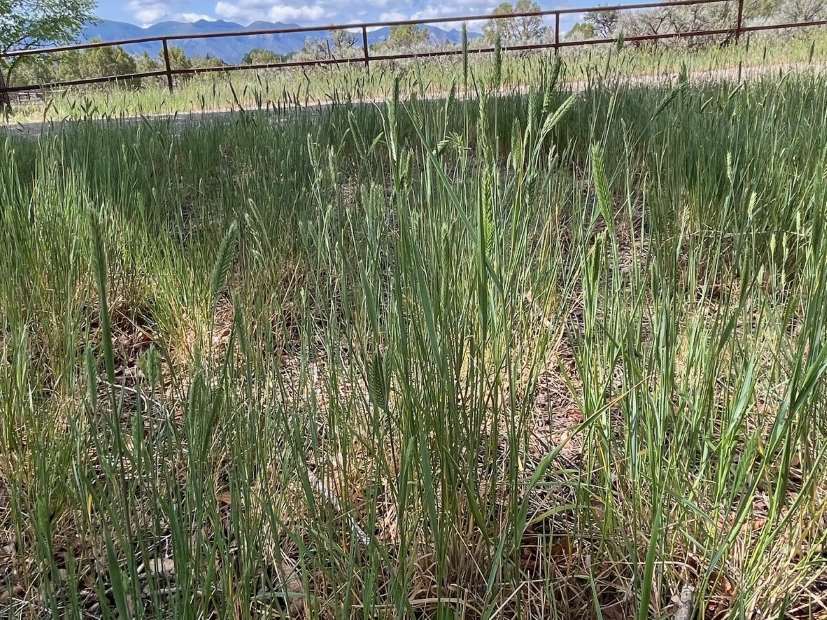
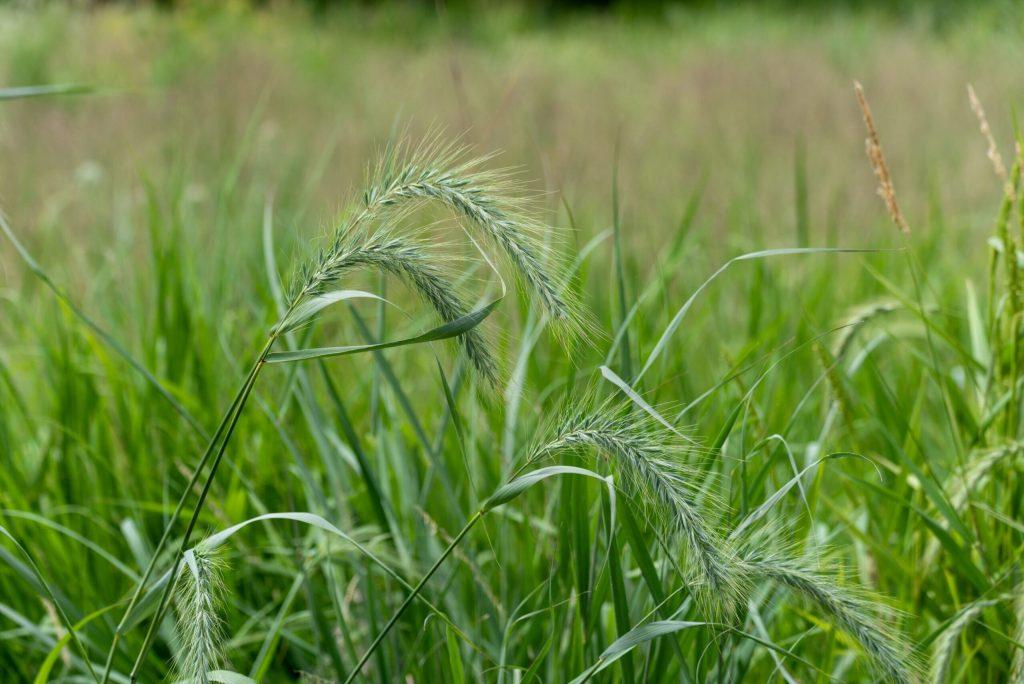
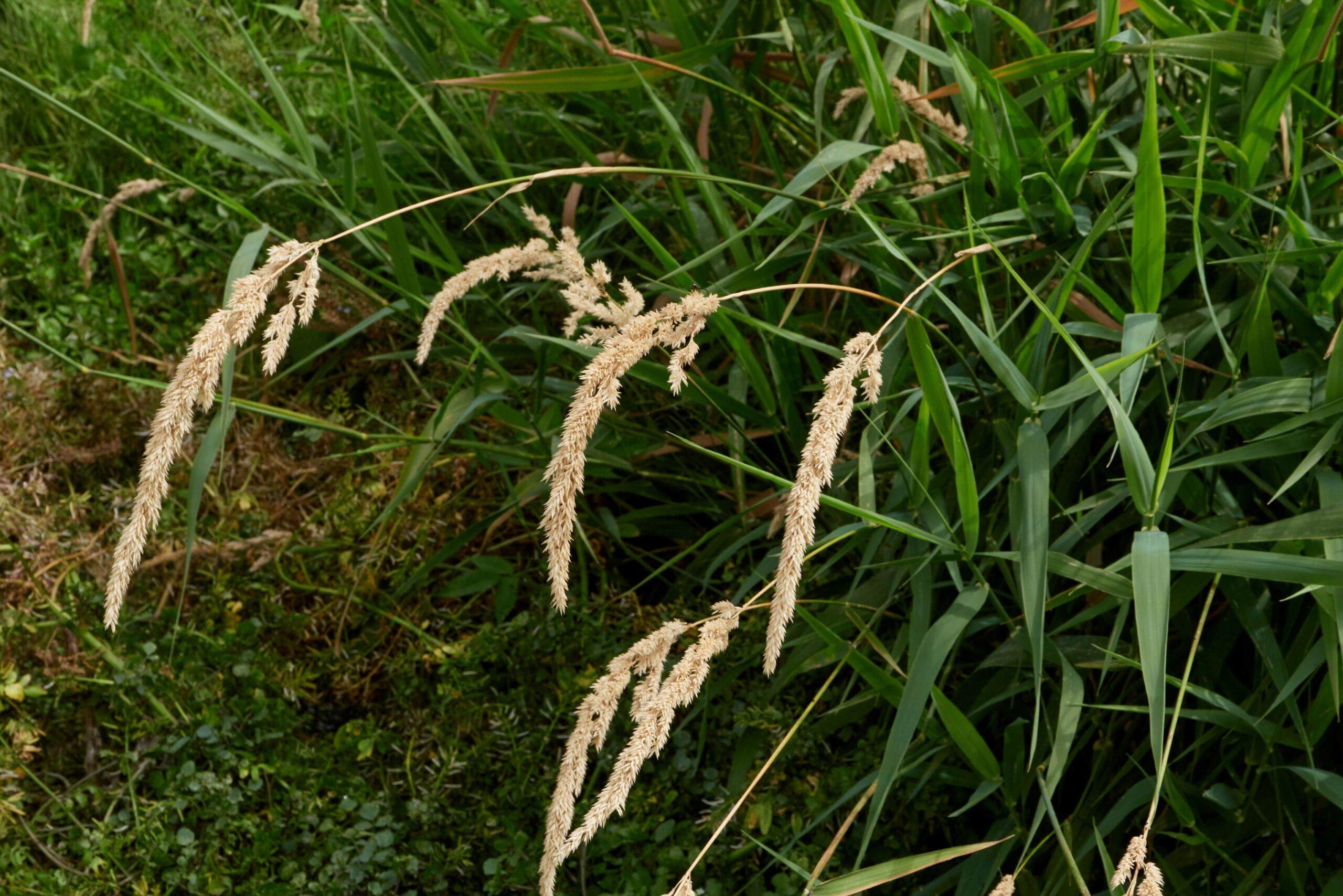
Reed Canarygrass is a vigorous, introduced, sodforming, perennial, cool season grass.  In the arid Southwest it tends to thrive only in lowlands and areas where water collects, making it useful in waterlogged field bottoms and other areas that experience frequent inundation.  It only spreads as far as the abundance of water allows it to spread so it is not considered an invasive species in this part of the country and can be an excellent erosion control grass. Reed Canarygrass responds very well to applied nutrients, so it can produce a great deal of biomass and is an excellent source of hay.  It is also used to treat wastewater from municipal and industrial sources.  Reed Canarygrass is primarily adapted for permanent hay or pasture on sites too wet for good performance of other forage plants. The forage should be grazed or mowed prior to heading since palatability declines rapidly after heading. A common mistake is to use Reed Canarygrass on wet sites where timely harvest is not possible. This grass provides excellent nesting and escape cover and the shattered seeds are readily eaten by many species of birds. It is very cold tolerant and can withstand temperatures below -30 °F.  Once established, it will withstand continuous inundation for 60 to 70 days. It does well on soils that range from moderately acidic to weakly saline-alkaline. The seed germinates readily but is somewhat slow to establish. Seeding should be done in late fall or early spring. Plant no deeper than 1/2 inch. If necessary, irrigate to maintain surface moisture until plants are well established.

Reed Canarygrass is very competitive once established and will frequently develop a solid monoculture. Tall growth enables Reed Canarygrass to compete with other herbaceous species by depriving them of light. Native herbaceous species that initiate growth late in the spring are especially impacted by Reed Canarygrass. It typically germinates in 2 to 3 weeks.


Details

Drought Tolerant: No
Life Cycle: Perennial
Growth Pattern: Bunch
Native: Introduced
Project Type: Wildlife Food Plot, Erosion Control, Wetland/Riparian, Grazing Forage, Hay Production
Season: Cool
Sun: Full Sun
Latin Name: Phalaris arundinacea
Seed Per Pound: 533000
Height: 6' - 9 '
Min Precip.: 16"+
Planting Rate: 5-7 lbs/acre

Related Products