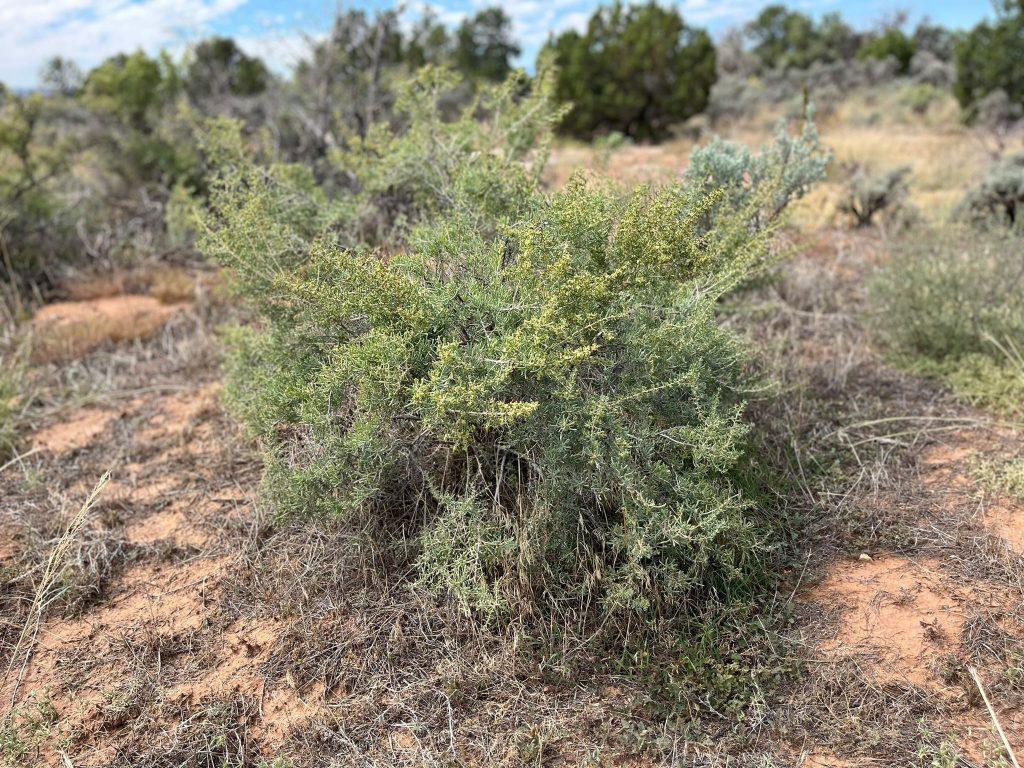
Big Wyoming Sagebrush
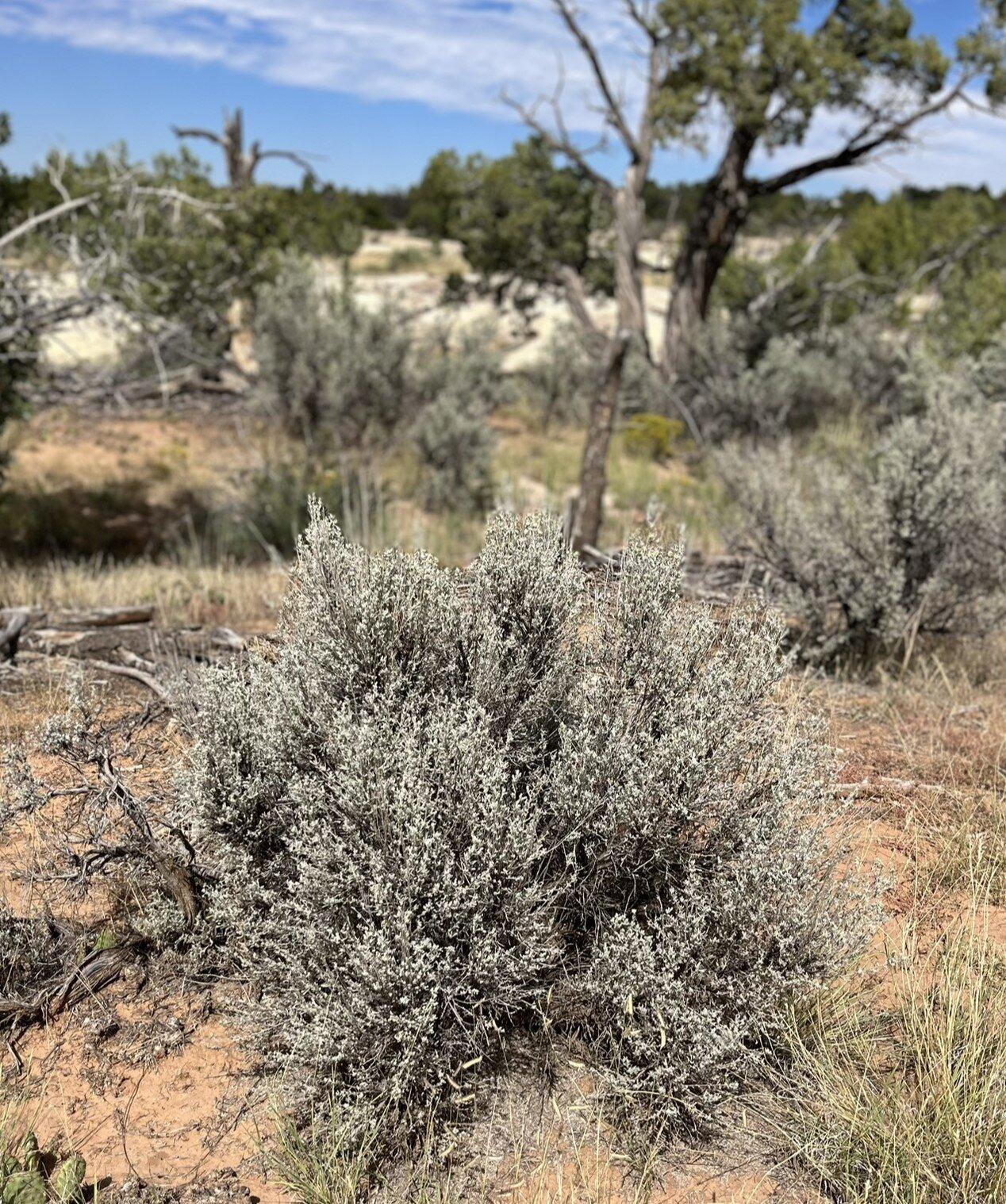
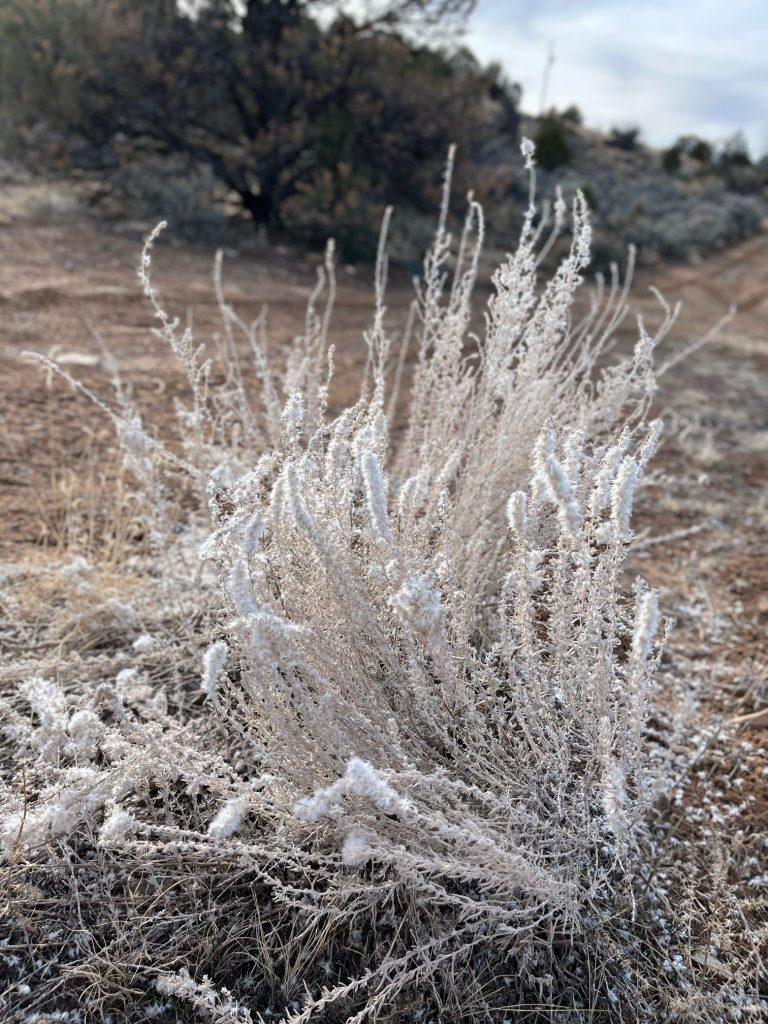
Big Wyoming Sagebrush is a shrub native to the western plains, deserts, and mountains most common at elevations from 2,600 to 7,200 feet above sea level. The most drought tolerant of the big sagebrush subspecies, Big Wyoming grows extensively in areas receiving 8 to 12 inches of precipitation annually. It generally achieves a height of about 4 feet, but can range from 2 feet on arid sites to as high as 15 feet on favorable sites. It will not tolerate excessive moisture and prefers well-drained soil with a neutral to slightly alkaline pH.
Big Wyoming Sagebrush leaves are high in protein and persist through the winter. It is an important food source for birds, small mammals, and big game. It constitutes as much as 75% of the diet of sage grouse, who also depend on it for nesting and escape cover. Other game birds and small birds as well as jackrabbits and deer use Big Wyoming Sagebrush as escape cover. Antelope eat large amounts of sagebrush throughout the year, and deer feed heavily on it during late fall, winter and spring especially when other foods are under snow cover.
Big Wyoming Sagebrush is a good seed producer and it increases rapidly after soil disturbance. This quality makes it a good shrub component in reclamation mixes.