Growing strong since 1978

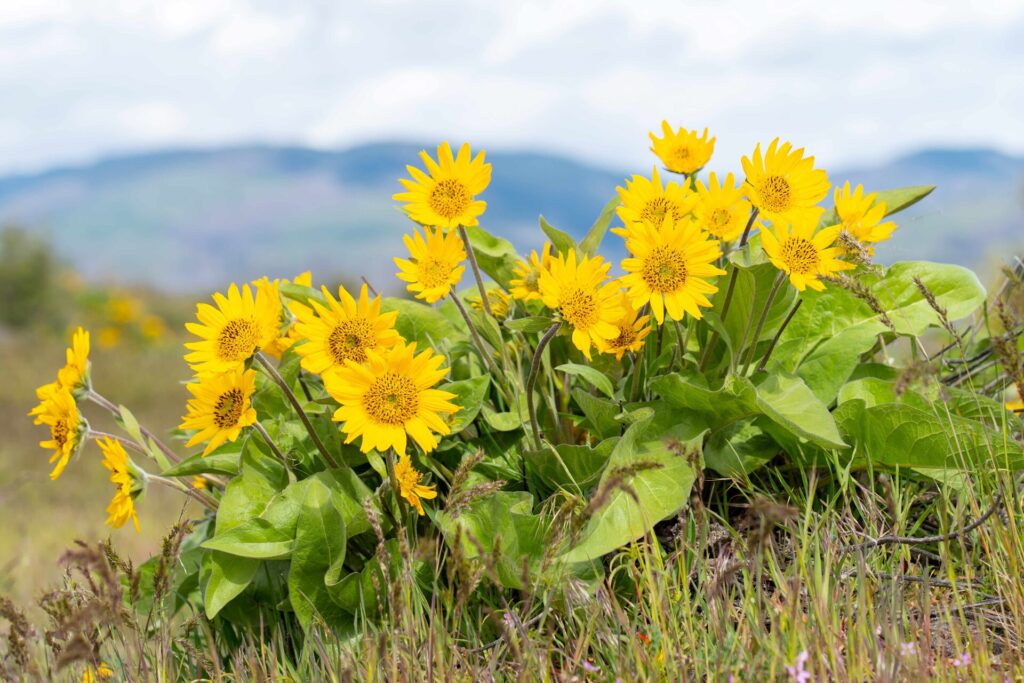
Maximilian Sunflower

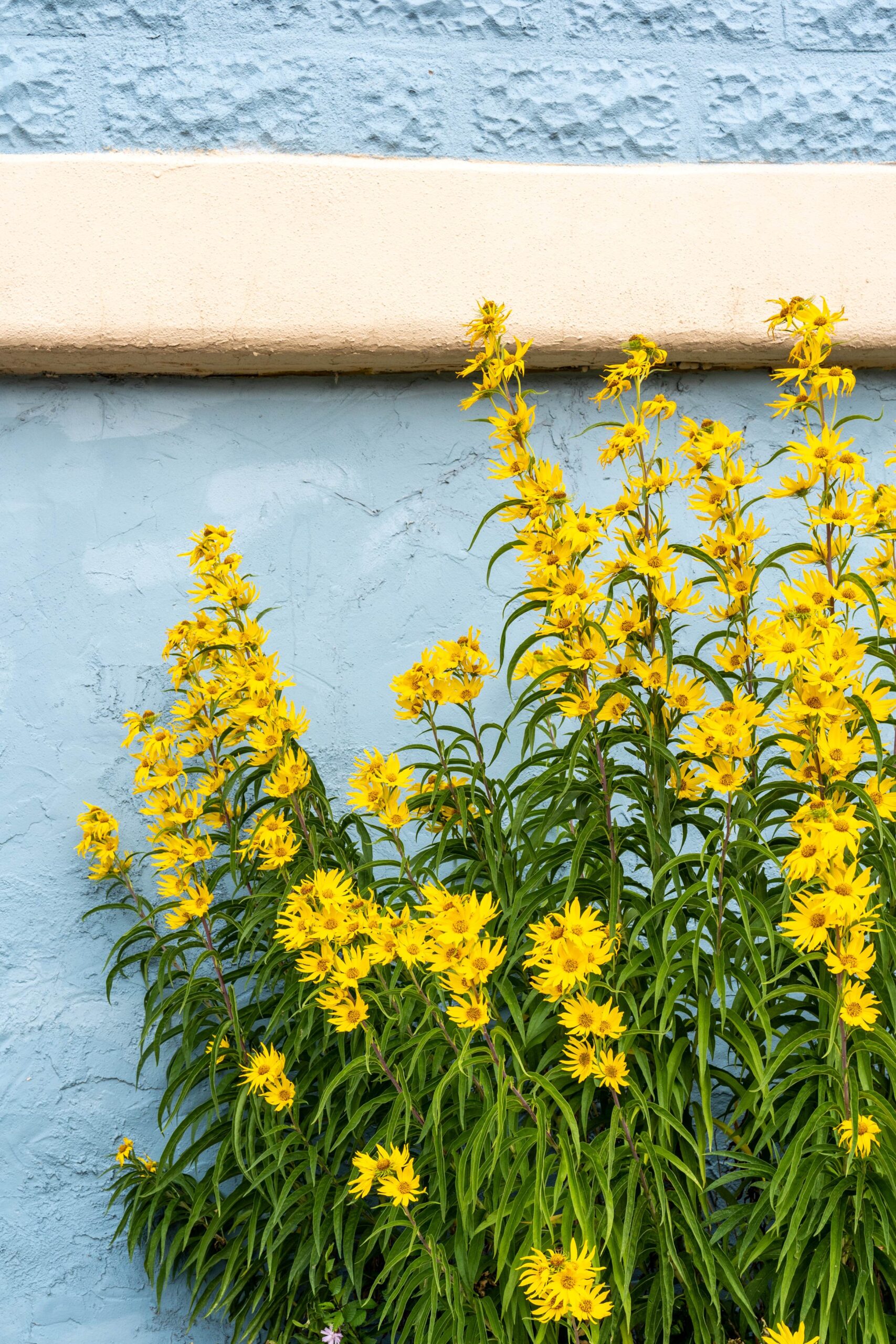
Maximilian Sunflower is a perennial wildflower native to the central and western plains of North America from Saskatchewan south to  Texas.  It has naturalized beyond its native range.  In Colorado it occurs at elevations between 3,500 and 7,000 feet.

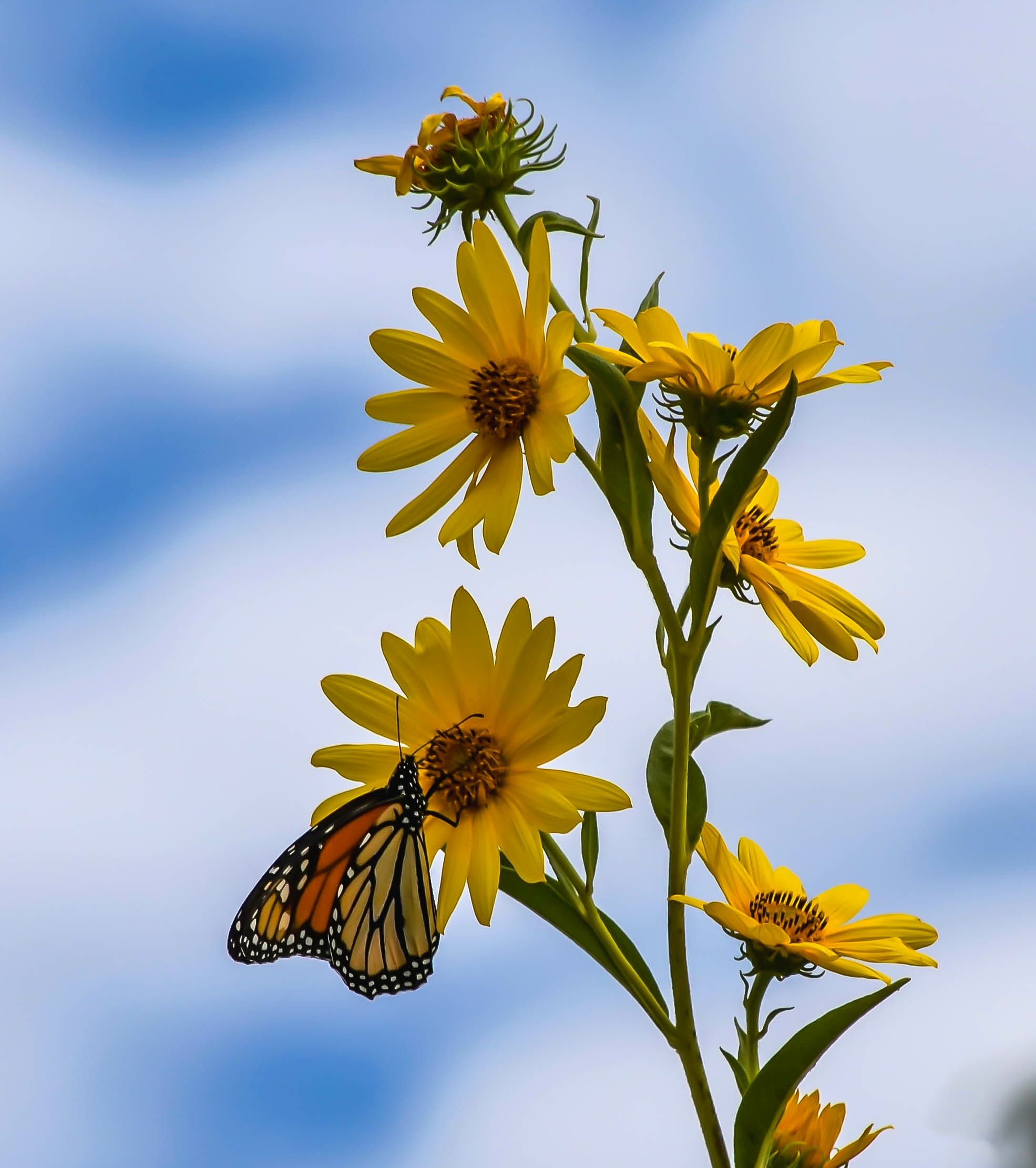
This sunflower was named for the naturalist Prince Maximilian of Germany who led an expedition into the American West in the 1830s.  The plants provide forage for livestock and deer and cover for small birds and mammals who eat the seeds.   It also attracts pollinators like butterflies and native bees.  Maximilian sunflower roots can be prepared and eaten like those of Jerusalem artichoke.  Native American tribes of the Great Plains ate them raw, boiled, or roasted.

Maximilian Sunflower makes a good ornamental for perennial gardens, back borders, and wildflower meadow landscapes.  It also makes a good cut flower.  The plants grow from 3 to 10 feet tall and can form large colonies.  Numerous yellow flower heads about 3 inches in diameter with green to dark brown centers grow on the ends of stalks and from leaf axils. Late fall or early winter is the best time to plant Maximilian Sunflower seeds, although they can also be planted in spring if the seed has been cold-stratified.  The seeds should be planted 0.25 to 0.5 inch deep.


Details

Blossom Color: Yellow
Bloom Period: Summer
Drought Tolerant: Yes
Life Cycle: Perennial
Native: Native
Project Type: Native Reclamation, Ornamental, Wildlife Food Plot, Pollinator Support
Sun: Full Sun
Latin Name: Helianthus maximiliani
Seed Per Pound: 225000
Height: Tall
Min Precip.: 14" – 18"
Zones: 3, 4, 5, 6, 7, 8, 9
Planting Rate: 5 lbs/acre

Related Products