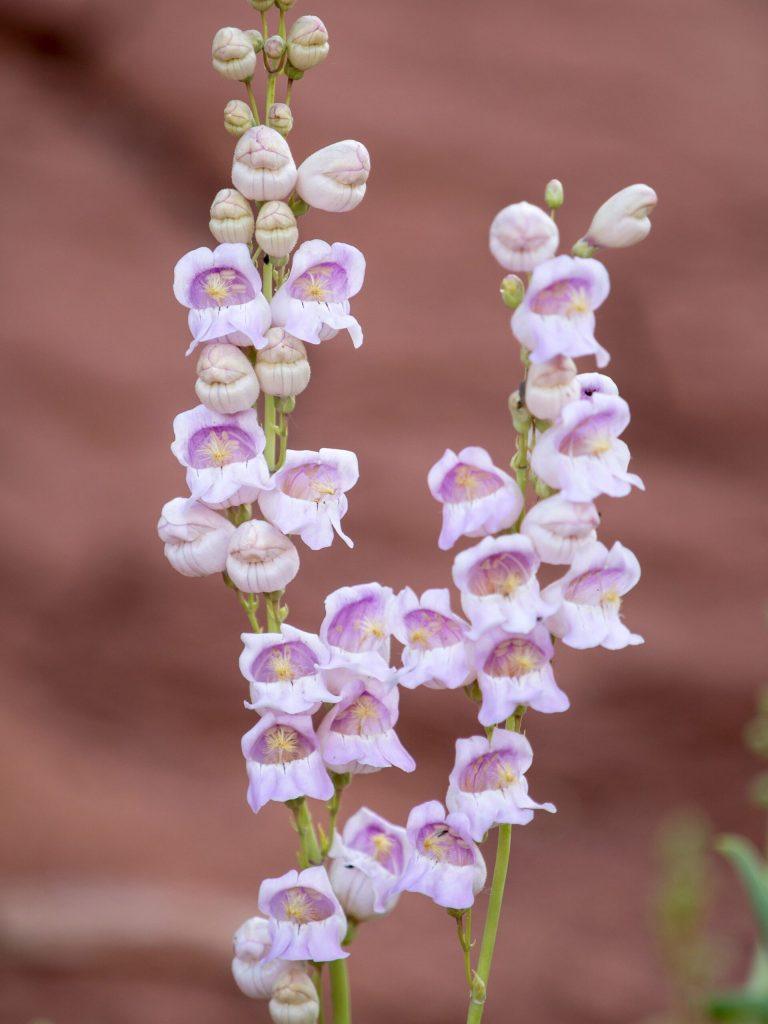
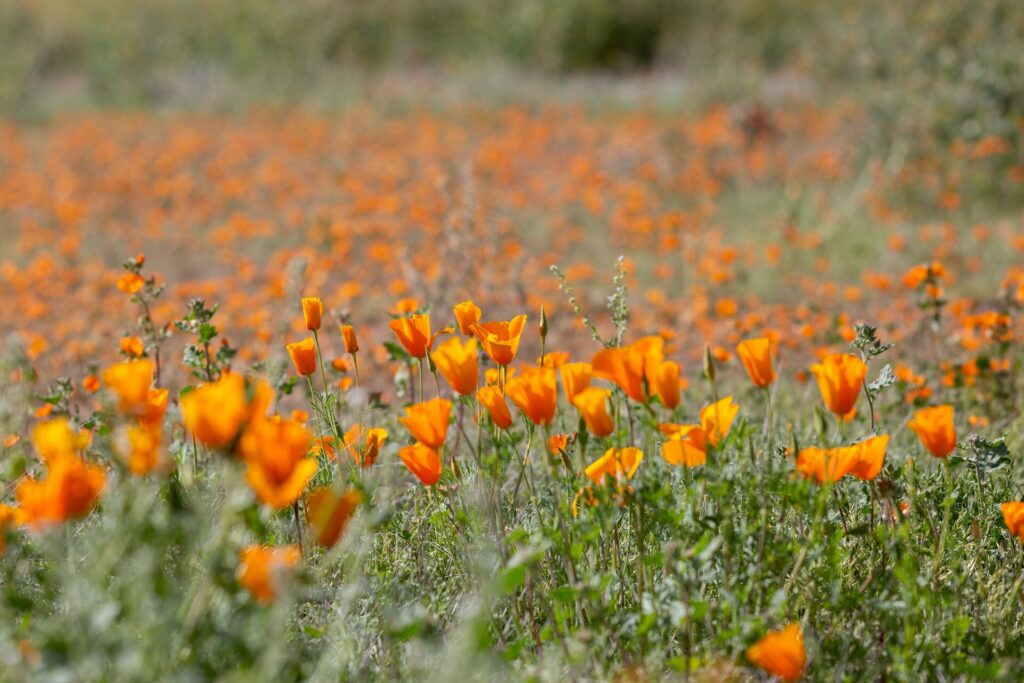
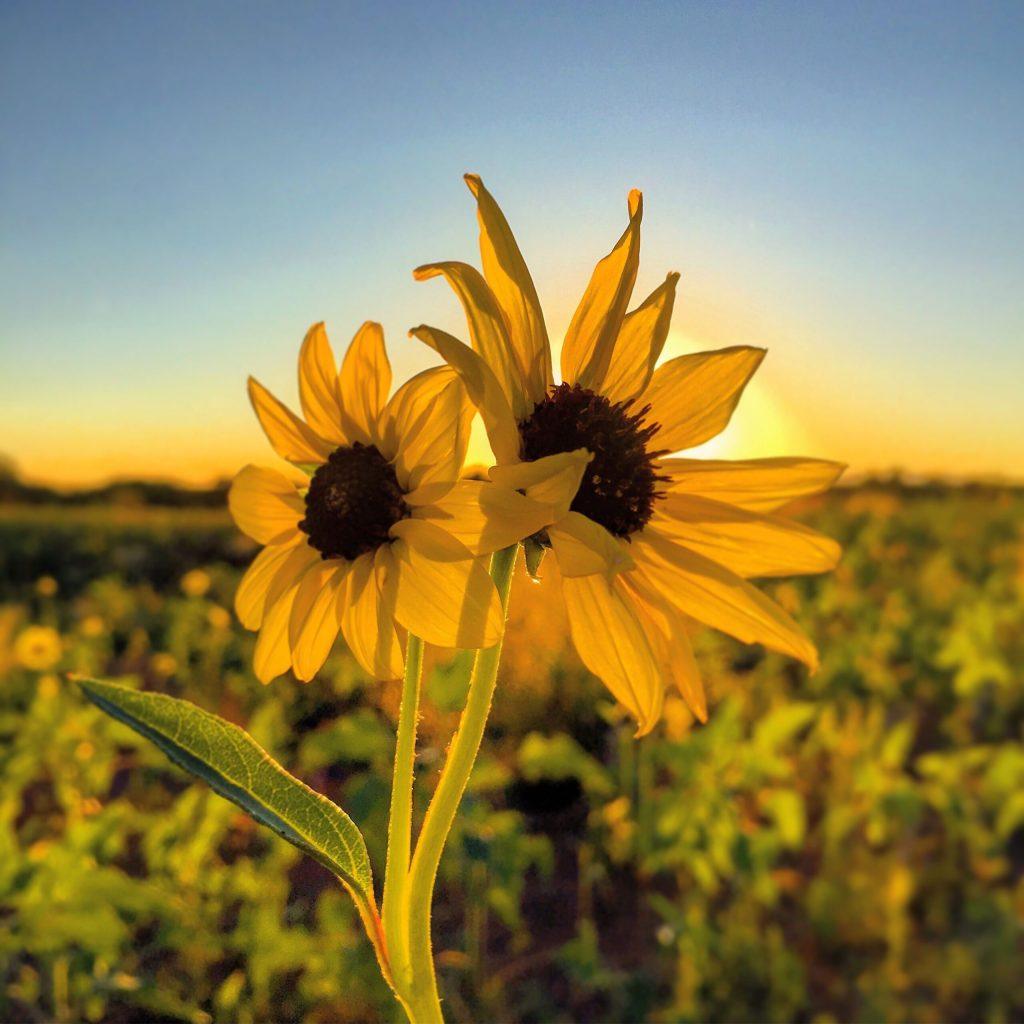
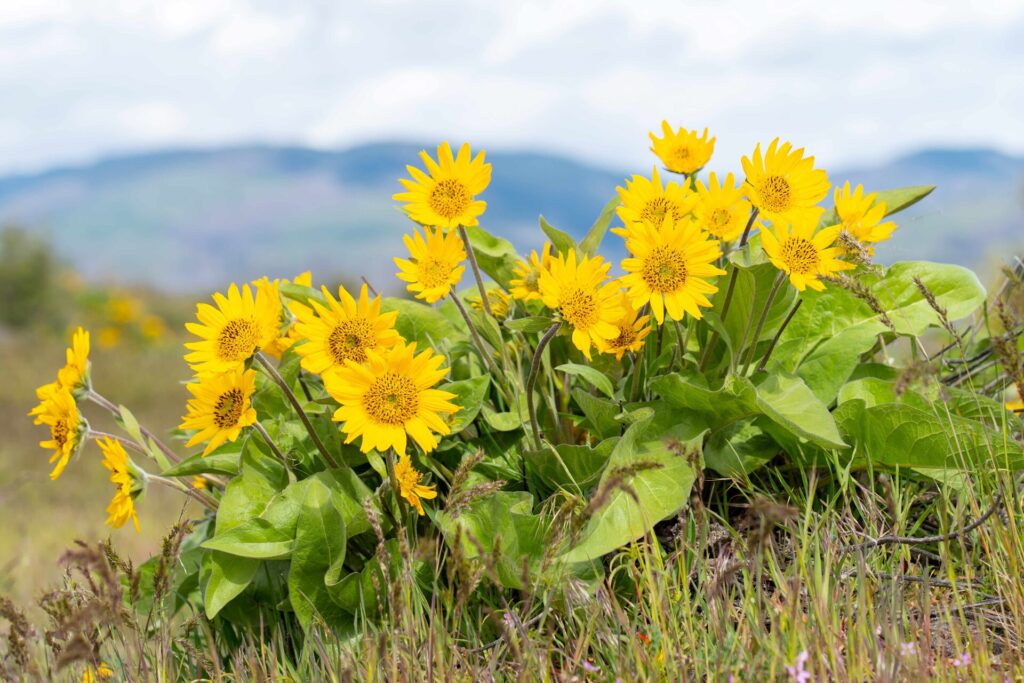
Gooseberryleaf Globemallow, also known as Currant-leaf Globemallow, is a native perennial forb to sub-shrub that ranges from 2,600 to 7,500 feet elevation. It is common in salt-desert scrub, shadscale scrub, and saltbush plant communities and is also found in the drier portions of pinyon-juniper woodlands. Gooseberryleaf Globemallow is important to many wildlife species. Pronghorn antelope, deer, elk, and bighorn sheep graze it, and rodents, rabbits, and birds eat the leaves, fruits, and seeds. Its pollen and nectar are used by many species of native bees, including some species that only forage from this plant and its close relatives. It is also an important plant in traditional Hopi medicine, with the roots being used to treat bowel problems and broken bones.
Gooseberryleaf Globemallow is useful in revegetating arid and semi-arid land because it can establish from seed and can compete with cheatgrass and other annual weeds. It can tolerate a wide range of soils, including those that are somewhat alkaline.
Seeds should be planted 1/4 inch deep or less. If high initial germination is desired, the seed should be treated with scarification and cold stratification.